Many retailers treat Buy Online Pick Up In-Store as two separate events – an online sale followed by an in-store task. This is a fundamental error. The disconnect creates friction at the most critical moment of the purchase, breaking the promise of convenience that customers expect. When the final step fails, it leads to cancelled orders, public complaints and lasting damage to your brand's reputation.
In the UK market especially, customer expectations for services like click and collect are incredibly high. A clunky or slow pickup is no longer acceptable. The rest of this article provides a clear framework for integrating the digital purchase with the physical handover, creating a single, seamless transaction. Getting buy online pickup in store UK right is not about having two good systems but one great one.
Achieving True Inventory Accuracy
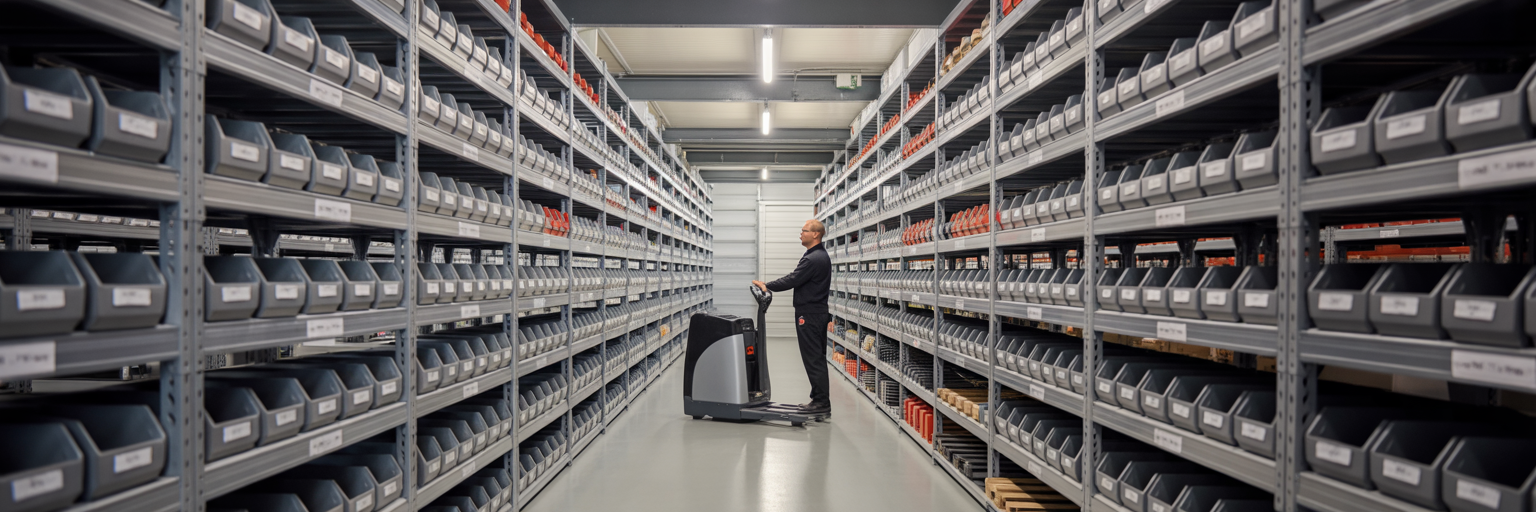
The single biggest point of failure in any BOPIS system is selling an item that is not actually in stock for pickup. This happens when online and in-store inventory systems are not synchronised in real time. A sale made at the till might not update the website for several minutes, creating a window where an online shopper can buy an item that no longer exists. This is the cardinal sin of click and collect and it instantly erodes customer trust.
The solution is a unified commerce platform that acts as a single source of truth for stock levels. This is not a luxury – it is a foundational requirement for modern retail inventory management. When your website, POS and stockroom all draw from the same live data pool, you can confidently accept online orders knowing the item is on the shelf. Staff can trust the system to guide them to the correct location, eliminating wasted time searching for phantom products.
True accuracy is not about a daily sync. It is about live, second-by-second visibility that connects your digital shelf to your physical stockroom. This is the only way to prevent overselling and build a reliable BOPIS operation. An integrated system like our modern Order Management System provides this single source of truth, ensuring what your customer sees online is what you actually have in store.
Proactive Communication Throughout the Order Lifecycle
Many retailers think a single "Your order is ready" email is sufficient communication. This approach creates an information vacuum that causes customer anxiety. Shoppers are left wondering if their order was received, when it will be ready or if there is a problem. This uncertainty often leads them to call the store for updates, placing an unnecessary burden on your staff.
A superior strategy uses automated triggers to keep the customer informed at every stage. This proactive communication manages expectations and prevents customers from arriving before their order is picked. Consider this simple sequence of automated SMS or app notifications:
- Order confirmed: "We've received your order #12345 and are preparing it now."
- Order ready for pickup: "Good news! Your order is ready for collection at our High Street store. Pickup is available until 6 PM."
- Pickup reminder: "Just a reminder that your order #12345 is waiting for you. We're open until 6 PM today."
This constant contact turns a simple transaction into a seamless customer pickup experience. It also provides a channel to handle delays gracefully. If an item is unexpectedly out of stock, the system should trigger an immediate, honest message offering clear options – like a substitution or a later pickup time. This transparency builds trust far more effectively than silence.
Streamlining the In-Store Fulfilment Workflow
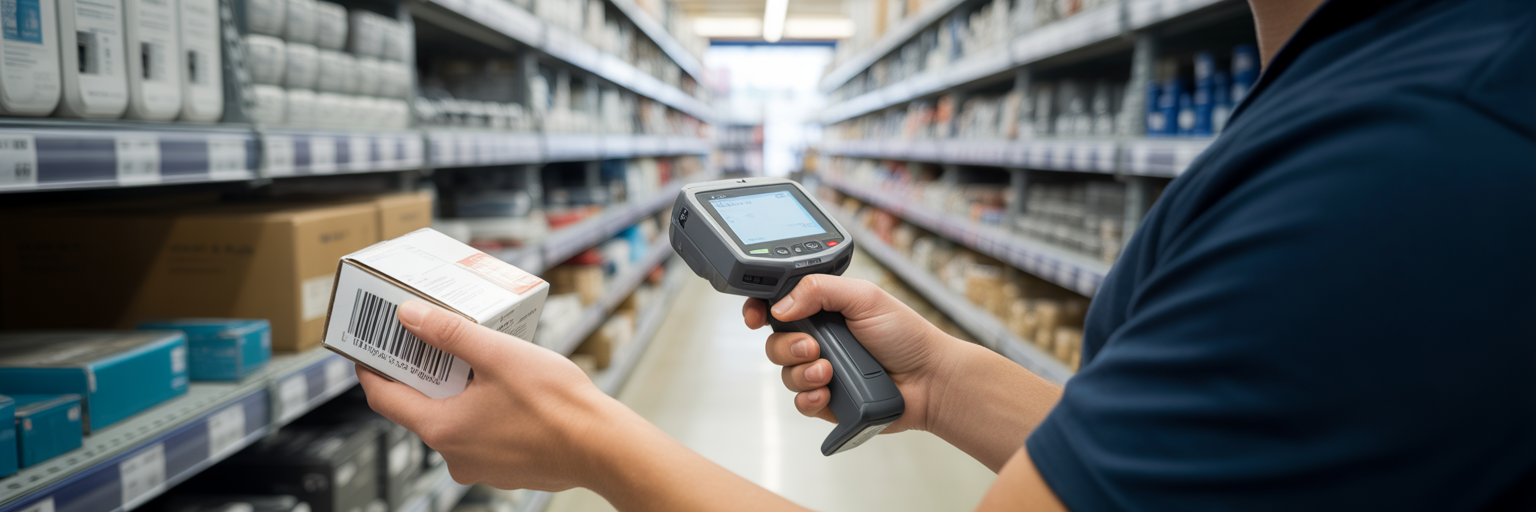
Even with perfect inventory and communication, the entire BOPIS experience can collapse at the final handover. The most common bottleneck is a disorganised in-store process. Staff struggle to locate prepared orders or the pickup point is buried behind a long checkout queue, defeating the purpose of ordering ahead.
To reduce pickup delays, you must optimise the physical workflow inside the store. Here are concrete actions that make a difference:
- Establish a dedicated and clearly signed pickup zone away from the main tills.
- Equip staff with mobile fulfilment tools that guide them directly to an item's bin location for faster picking.
A highly effective strategy is the 'runner workflow'. As highlighted by industry experts at Jesta I.S., this model uses technology to bridge the gap between customer arrival and order retrieval. When a customer signals their arrival – perhaps by scanning a QR code outside or using a mobile app – a notification is sent directly to a staff member's handheld device. That employee then retrieves the pre-picked order and brings it to the customer. This eliminates queues and makes the handover nearly instant. For high-volume locations, automated lockers offer the ultimate in speed and convenience, allowing for 24/7 pickup without any staff interaction. These store and retail order fulfilment tools are about the mechanics of efficiency.
Managing Substitutions and Exceptions Gracefully
No system is perfect. Stock discrepancies happen and items can be found damaged on the shelf. How your team handles these exceptions is what defines the customer experience. A poor response – like providing an unwanted substitution without asking – leads directly to returns, customer frustration and lost trust. The best approach empowers staff with clear rules and tools to resolve issues on the spot.
Effective BOPIS best practices give the customer control. During online checkout, offer a simple option to pre-authorise substitutions for out-of-stock items. If a customer has not pre-authorised this, the picking application should prompt the staff member to contact them directly. A quick SMS with a suggested alternative and a simple 'Yes/No' reply is often all that is needed. This turns a potential problem into a moment of excellent, personalised service.
This simple guide helps staff make the right decision every time.
| Scenario | Customer Preference | Action for Staff |
|---|---|---|
| Item not found on shelf | Substitution pre-approved | Scan pre-approved alternative and complete order. |
| Item not found on shelf | No substitution preference set | Use mobile app to send customer SMS with suggested alternative. Wait for 'Yes/No' reply. |
| Item is damaged | N/A | Immediately contact customer via app/SMS to offer a new item, an alternative or a refund. |
| Customer rejects substitution | N/A | Update order to remove item, confirm with customer and process the remaining order. |
This guide provides a clear workflow for store associates to handle common stock exceptions, ensuring consistent service and adherence to customer preferences.
One Metric That Defines BOPIS Success
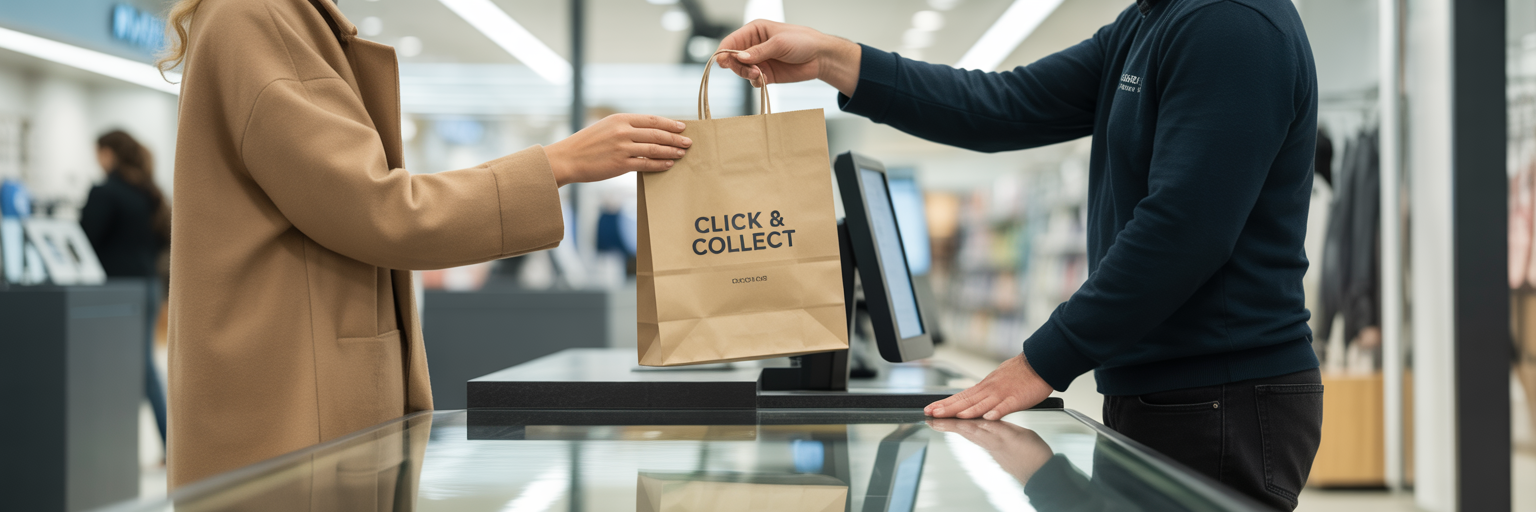
Retailers track dozens of KPIs – from order accuracy to picking time. But for BOPIS, one metric stands above all others in defining success: Customer Dwell Time. This is the total time from the moment a customer arrives at your store to the moment they leave with their order. Why is this so critical? It is the single number that reflects the combined efficiency of your inventory accuracy, communication strategy and in-store workflow.
A low dwell time is the tangible proof of a seamless experience. World-class operations aim for a dwell time of under two minutes. Every strategy discussed in this article – from real-time inventory to runner workflows – is a tool to achieve this goal. To improve retail click and collect services, you must focus relentlessly on minimising the time your customer spends waiting.
At Eposly, we build the unified commerce systems that connect your online promises to your in-store performance. Our platforms provide the integrated data backbone needed to measure and optimise crucial metrics like customer dwell time, ensuring every pickup is fast, flawless and friction-free. Find out more about our unified retail solutions and how they can transform your customer experience.