Industry

    Public Sector and Government Cashiering on Salesforce

    Execute regulated transactions inside Salesforce, so permits, licenses, and registrations remain traceable, auditable, and trusted.

    Built for state and local government agencies running Salesforce Public Sector Solutions or Government Cloud across permitting, licensing, DMV, and cashiering operations. Counter payments hardware, terminals and related transaction systems, runs inside the same Salesforce flow, so every fee taken at the window is recorded against the right case or constituent.

    Industry context

    How transactions happen in government services

    Government transactions share three traits: regulated decision, policy-driven fee, and audit obligation. Each one involves fee calculation, policy application, payment capture, and record creation. None of this is a simple checkout.

    Salesforce manages citizen interactions, case records, and service delivery, often on Public Sector Solutions or Government Cloud. But the transaction itself usually happens outside Salesforce, in legacy cashiering systems that fragment the audit trail.

    DMV transactions

    Vehicle registrations, renewals, and fee processing with strict audit requirements.

    Professional licensing

    License issuance, renewals, and fee calculations with policy-driven pricing.

    Building & zoning permits

    Variable fees, staged payments, and inspection linkage.

    Business registrations

    New entity registrations with regulatory fees and compliance documentation.

    Utility & environmental

    Complex fee structures for utility registrations and environmental permits.

    The challenge

    Where teams struggle today

    In most state and local agencies, payment processing and cashiering happen outside Salesforce in legacy cash management systems, breaking audit continuity.

    Broken audit continuity

    Salesforce knows something was paid, but not how the decision was made or who approved it.

    Duplicate systems of record

    Legacy cashiering and bolt-on checkout create fragile integrations and counter switching.

    Physical cashiering gaps

    Cash drawers and reconciliation live outside Salesforce. Accountability fragments.

    Audit risk

    Decisions are hard to justify. Reporting depends on stitched data across systems.

    The Eposly approach

    Regulated transaction execution inside Salesforce

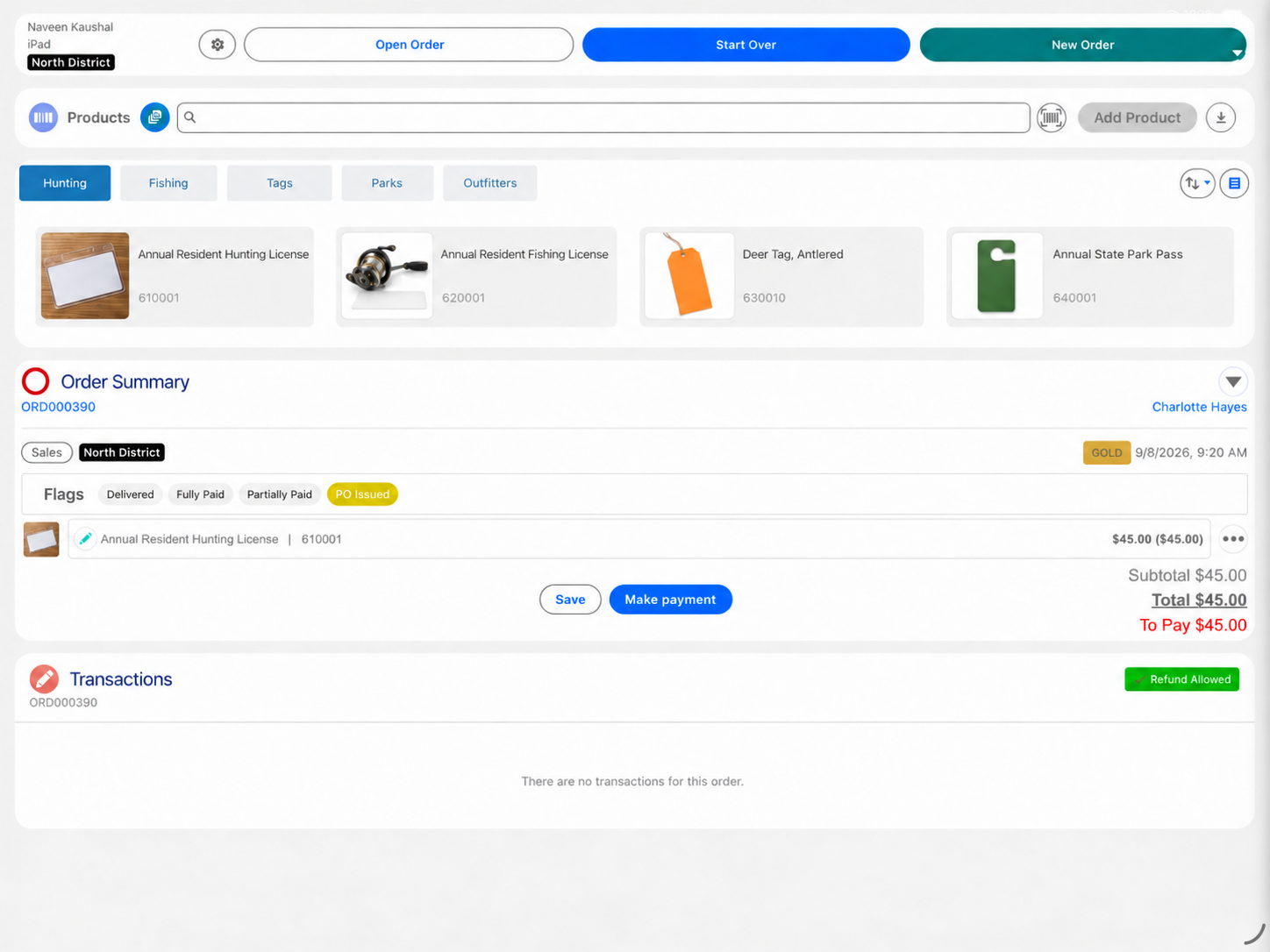
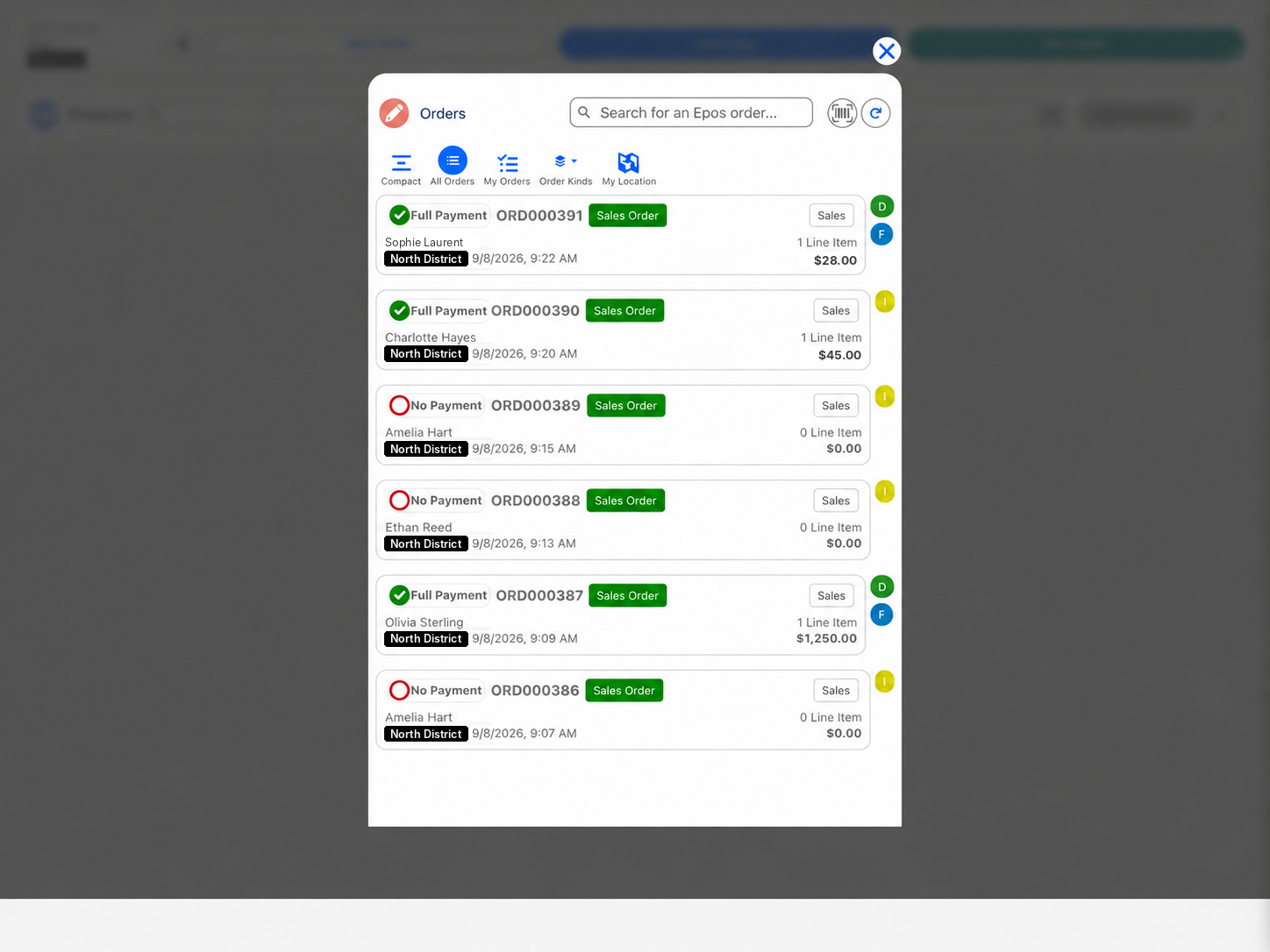
    The permit decision, fee calculation, payment, and transaction record all happen in one Salesforce flow. No external POS black box. No delayed sync. Salesforce becomes where the transaction happened and the audit trail lives. Eposly is the only Salesforce-native point-of-sale and cashiering layer built for regulated state and local government transactions.

    Citizen Application

    Case/Permit Record

    Fee Calculation

    Controlled Adjustments

    Payment

    Transaction Record

    Audit Trail

    Key capabilities

    Key capabilities for government services

    Built for state and local agencies running regulated transactions, payments, and cash management inside Salesforce.

    Regulated execution

    Calculate fees, apply controlled adjustments, capture approvals, take payment, all inside Salesforce.

    Salesforce-native cash management

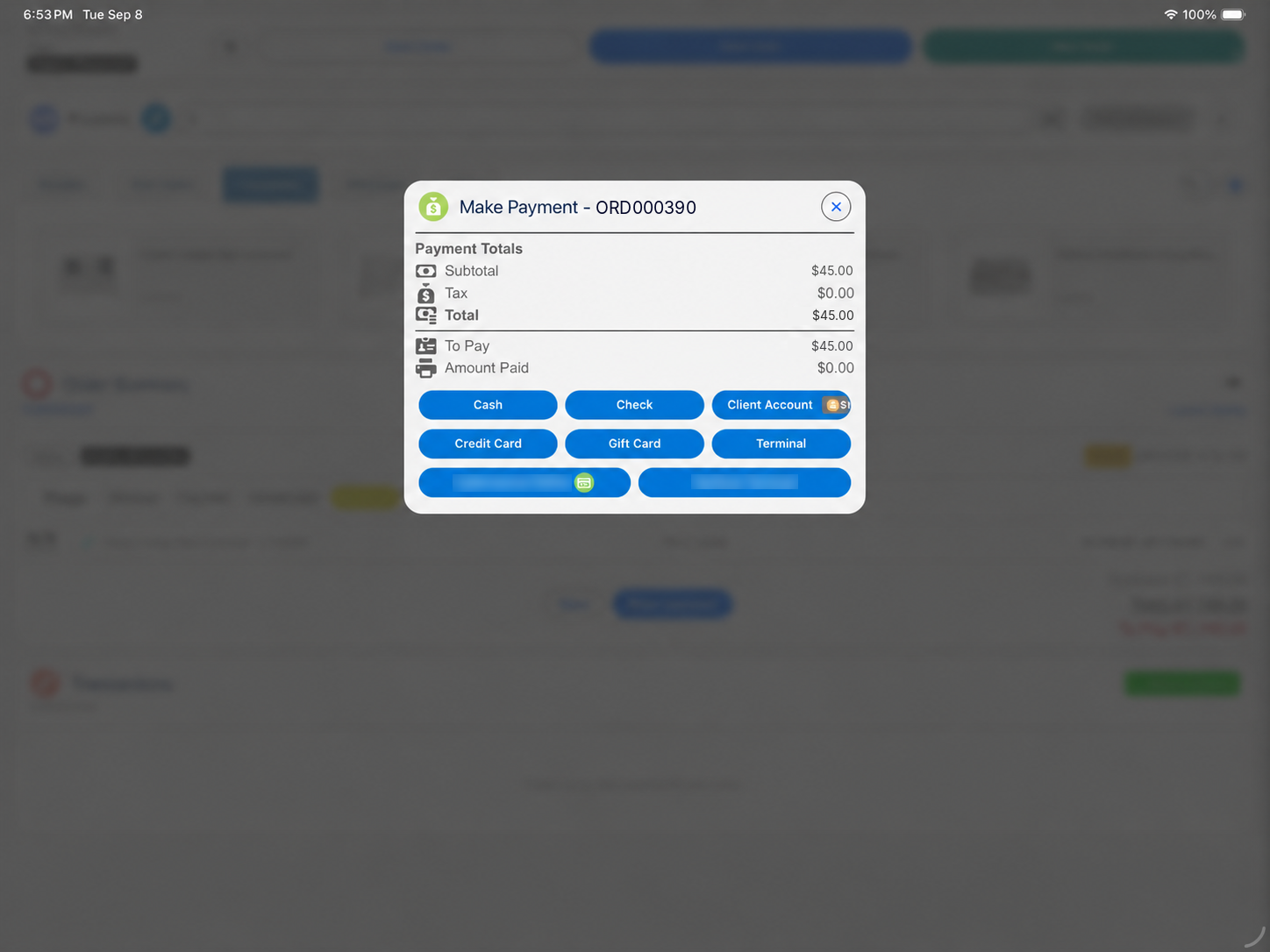
    Manage cash drawers, track cash events, log accountability, print receipts, support mixed tender, and reconcile transactions directly inside Salesforce.

    Policy-driven pricing

    Fee tables and policy rules applied automatically. Adjustments are policy-bound and traceable.

    Controlled discretion

    Judgment is documented. Every decision is recorded and auditable.

    End-of-day reconciliation

    Structured reconciliation across drawers. Minimize shrinkage. Audit-grade traceability.

    Clean downstream integration

    Real-time data to finance, treasury, and ERP. No duplicate systems.

    Hardware & cashiering

    Counter hardware becomes part of the Salesforce transaction

    Cashiering hardware (terminals, receipt printers, cash drawers, scanners) operates as part of the Salesforce transaction, not a separate counter system. Every fee taken at the window is recorded against the case or constituent record in the same step as the payment.

    No proprietary hardware required. Off-the-shelf devices already on agency counters work, and staff stay in Salesforce for the full transaction across cash, card, check, and mixed tender.

    Payment terminals

    Common EMV, contactless, and chip-and-PIN terminals operate inside the Salesforce transaction. Gateway-agnostic, so existing acquirer relationships can be kept.

    Receipt printers

    Thermal printers issue citizen receipts as part of the Salesforce transaction. Each receipt is linked to the case, permit, or licence record.

    Cash drawers

    Drawers open via the printer kick code as the cash tender is recorded in Salesforce. Drawer activity is tied to the cashier and the shift for end-of-day reconciliation.

    Barcode scanners

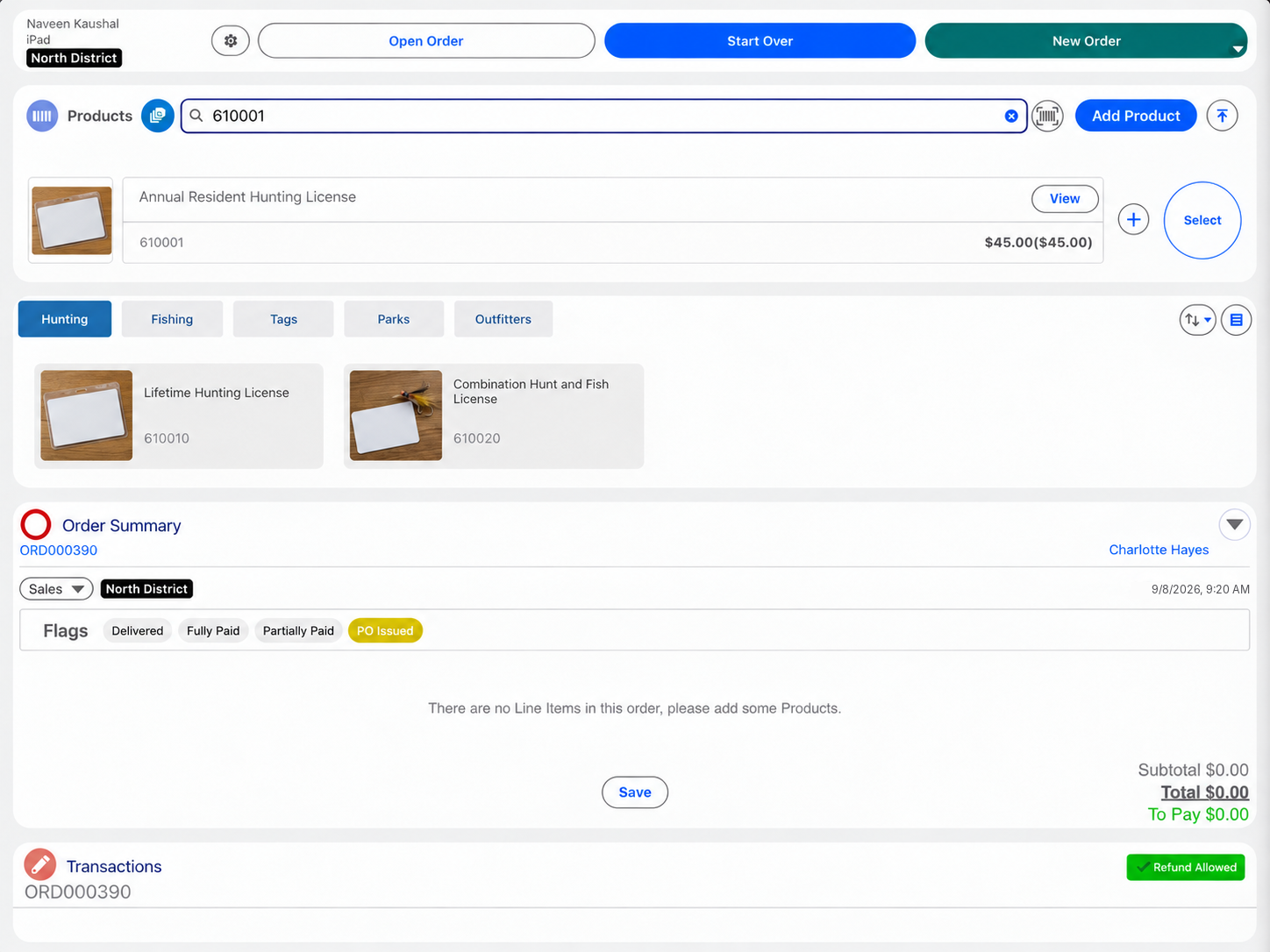
    HID-mode scanners act as keyboard input for permit numbers, case IDs, and licence barcodes, directly into Salesforce. Other USB peripherals are supported through the browser.

    Environments

    Where Eposly operates

    Eposly is built for government environments where transactions are regulated, auditable, and connected to case or permit records in Salesforce. Each transaction contributes to a complete, audit-ready record inside Salesforce, supporting state and local reporting requirements.

    DMV service counters

    Vehicle registration with physical cashiering and strict reconciliation.

    Permit offices

    Variable fee calculations and staged payments for building and zoning.

    Professional licensing desks

    License transactions with policy-driven fee logic.

    Municipal service centers

    Multi-service counters handling registrations, fees, and payments.

    Inspection agencies

    Inspection fee processing with case-linked records and audit documentation.

    Why Salesforce-native

    Why Salesforce-native matters for government

    Auditability, compliance, and cash accountability depend on where the transaction is executed. When the transaction is part of the public record, it must execute inside Salesforce. Salesforce does more than track permits; with Eposly, it processes them. If the transaction or cash event happens outside Salesforce, the audit trail is incomplete.

    • 01

      Audit-ready by default

      Traceable history, structured data, reduced reconciliation, stronger controls.

    • 02

      No shadow systems

      Native Salesforce architecture. No separate payment overlay.

    • 03

      Simplified compliance

      Single governed environment with consistent access control.

    • 04

      Faster citizen services

      Faster processing, clear documentation, reduced wait times.

    Related capabilities

    Related capabilities

    Transaction Execution

    Explore

    Assisted Sales & Checkout

    Explore

    Payments

    Explore

    Intelligence

    Explore

    FAQ

    Frequently asked questions

    Ready to run transactions inside Salesforce?

    See how this would work in your Salesforce setup.

    Book a demoExplore capabilities