Skip to content

Get your custom checkout design for Salesforce

How to Fix Automotive Click and Collect with a Salesforce Native POS

The Disconnect in Automotive Parts Fulfilment

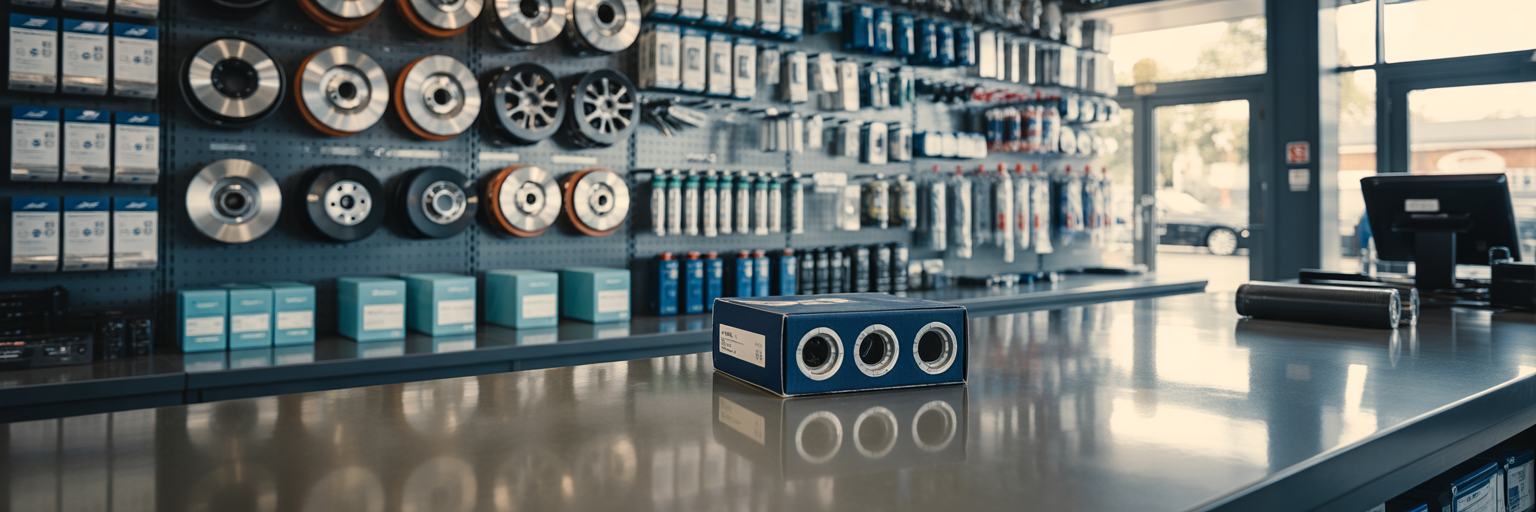
The promise of a smooth automotive click and collect service often breaks down at the dealership counter. Customers order a part online expecting a quick pick-up only to find it is out of stock or that the service team has no record of their purchase. This disconnect between the digital storefront and the physical parts department is more than an operational snag – it is a critical customer experience failure. According to Salesforce research, a staggering 99% of automotive buyers report dissatisfaction with the current purchasing process. This friction erodes trust and undermines the convenience that click and collect is meant to provide. The root cause is a lack of a single source of truth where online orders and real-time inventory data can coexist. Fixing this requires a fundamental shift in how data is managed.

The Hidden Costs of a Fragmented Workflow

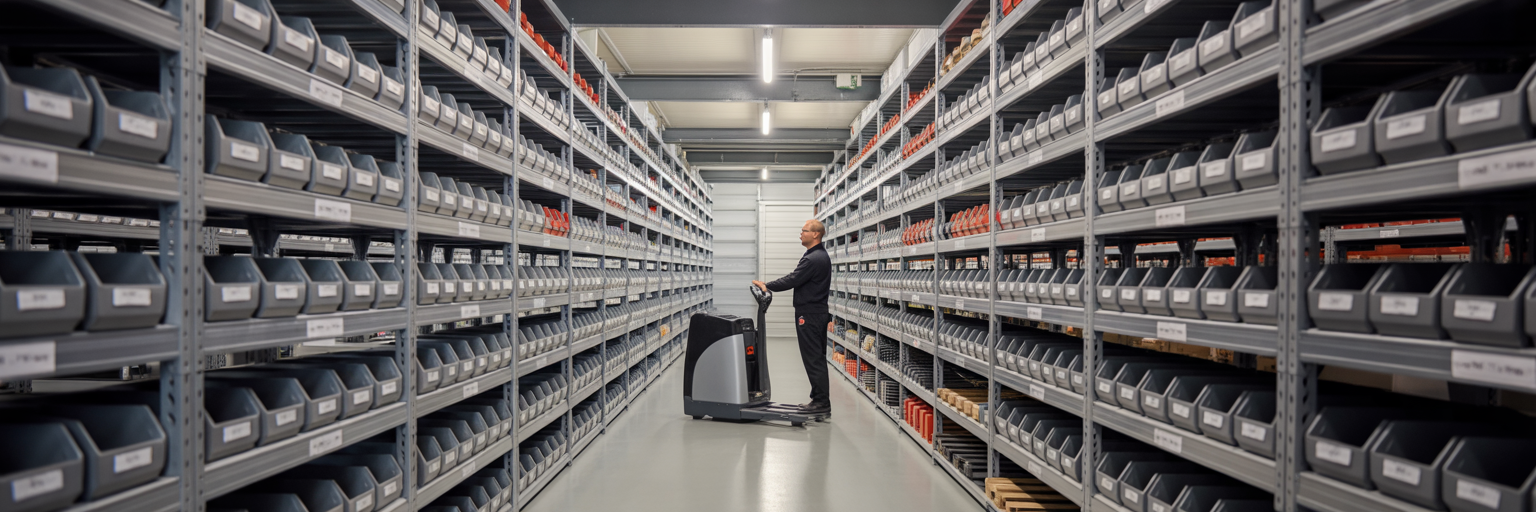
Organised automotive parts on a stockroom shelf.

That disconnect carries significant costs. Operationally, it creates drag. Service advisors waste valuable minutes walking to the parts department or making phone calls to confirm stock levels, delaying repair commitments and leaving customers waiting. This constant task-switching reduces the productivity of the entire service team. Financially, the impact is just as severe. Manual data entry between systems leads to transaction errors and incorrect inventory counts, which can result in lost sales when a part is shown as unavailable online when it is actually on the shelf. A poor click-and-collect experience does not just lose a single sale – it damages the dealership’s reputation and risks the long-term loyalty of a customer who may take their future service and vehicle purchases elsewhere. These delays are a direct result of a broken process, which a modern order management system is designed to fix.

Comparing Fragmented vs. Unified Automotive Parts Workflows
Metric Fragmented Workflow (Disconnected Systems) Unified Workflow (Salesforce Native POS)
Stock Check Process Manual call or walk to parts department Instant, real-time check within Salesforce
Time per Stock Check 5-10 minutes <10 seconds
Transaction Error Rate High due to manual data entry Reduced by up to 20%
Customer Wait Time Unpredictable and often long Minimal; part is staged and ready
Service Advisor Productivity Reduced by constant task-switching Increased by streamlined process

Note: The 20% error reduction is based on performance data for native POS implementations. Other metrics are based on common dealership operational patterns.

Building a Single Source of Truth in Salesforce

The solution is to implement a Salesforce native POS. The term ‘native’ is critical here. It refers to a point-of-sale system built entirely on the Salesforce platform, not one that is merely integrated with it via an API. This architecture means all inventory, transaction and customer data reside in a single, unified system. There is no data to sync and no delay. When a customer buys a part online, the inventory is updated instantly across the entire business – from the e-commerce site to the service desk terminal. This provides real-time inventory visibility and eliminates the risk of selling a part that is not physically available. Furthermore, every transaction is automatically linked to the customer’s record in Service Cloud or Automotive Cloud. This creates a complete, 360-degree view of their purchase and service history. Solutions like Eposly embed this checkout capability directly into the Salesforce user interface, unifying the entire process from online order to in-person collection without the need for fragile integrations.

Integrating Repair Orders and Parts Sales

Service advisor discussing repair order with customer.

With a single source of truth established, the workflow at the automotive service desk becomes dramatically more efficient. Instead of juggling separate systems for parts and service, an advisor can use the native POS to generate a single invoice that bundles everything. This could include labour charges, parts from a click-and-collect order and any additional items purchased at the counter. This process creates complete end-to-end traceability. When a part is sold, the system automatically decrements the inventory level and records its usage against the specific vehicle’s service history in Salesforce. This data is invaluable for managing warranty claims and ensuring compliance. The system can also improve accuracy. By tapping into the ‘Compatible Parts & Accessories’ list within Salesforce Automotive Cloud, an advisor can instantly verify that they are selecting the correct component for a specific vehicle’s VIN. This is made possible by robust product data management that connects the POS to the vehicle’s specific requirements, preventing costly errors and rework.

Offering Flexible Payments and Scheduled Pick-Ups

A unified system also transforms the final steps of the customer journey – payment and collection. By handling transactions within Salesforce, dealerships can offer a level of flexibility that fragmented systems cannot match.

  1. Flexible Payments: A native POS allows customers to pay a deposit online to reserve a part and then settle the balance at the counter. They can use digital wallets like Apple Pay or Google Pay and even access integrated financing options, all managed within the same Salesforce interface the service advisor uses. This level of control is enabled by a system with flexible payments and secure payment integration built directly into the workflow.
  2. Scheduled Pick-Ups: To eliminate waiting times, customers can book a specific collection slot. As highlighted by Salesforce, this is achieved by integrating with tools like Salesforce Scheduler, which allows appointments to be booked directly from a vehicle record. The service desk’s schedule is automatically updated, ensuring the part is staged and ready for the customer’s arrival. This coordination is especially valuable for high-value components that may require a technician’s final check before handover.

From Friction to Fulfilment

Fixing automotive click and collect means moving from a fragmented, high-friction process to a unified fulfilment model. Success can be measured by clear KPIs – a 20% reduction in transaction errors and a 15% increase in parts-sale conversion are achievable with a native system. The most important metric to watch, however, is the on-time fulfilment rate. This single number reflects the health of your entire parts sales process. By building on a single platform, dealerships also position themselves to adopt future AI-driven tools for predictive inventory and service recommendations. This article has shown that fixing automotive click-and-collect requires a single platform for commerce and service. Eposly provides a Salesforce-native POS that embeds enterprise-grade checkout directly into the CRM, unifying inventory, payments and repair orders. To see how a native POS can transform your dealership’s workflow, explore Eposly’s automotive POS solution.

Share this article

Eposly fills the checkout whitespace in Salesforce

As the only fully native point of purchase / POS solution, Eposly brings robust, secure checkout functionality to Industry, Sales & Service, and Experience Clouds, as well as CPQ and OMS.

The only 100% Salesforce-native checkout solution

Solving Slow SIM Activations with a Salesforce Native POS for Telco

Learn how a unified point-of-sale system built on Salesforce can fix operational delays and improve the customer experience in telco stores....

Learn more about Eposly’s unique benefits for any industry.