Skip to content

Get your custom checkout design for Salesforce

The Blueprint for a Successful Nationwide Retail Rollout

The Real Challenge of Scaling Omnichannel Retail

The most common failure in a nationwide retail rollout is not logistical – it is the failure to unify data and operations. Many retailers misjudge the complexity of synchronising inventory, customer data and loyalty schemes across a growing network of stores. This oversight creates fractures that widen with every new location added.

The implications are severe. Inconsistent customer experiences – where a customer sees an item online but finds it unavailable in-store – erode trust and damage the brand’s reputation for competence. These disconnects also create stock inaccuracies that directly cause lost sales and operational waste.

A successful expansion is built on a stable foundation. It requires three pillars working in concert: absolute data consistency, deeply integrated loyalty programmes and a repeatable operational playbook. This framework provides the stability needed to scale without breaking the business. Without it, growth becomes a source of chaos rather than strength.

The Foundation of Scale is Data Consistency

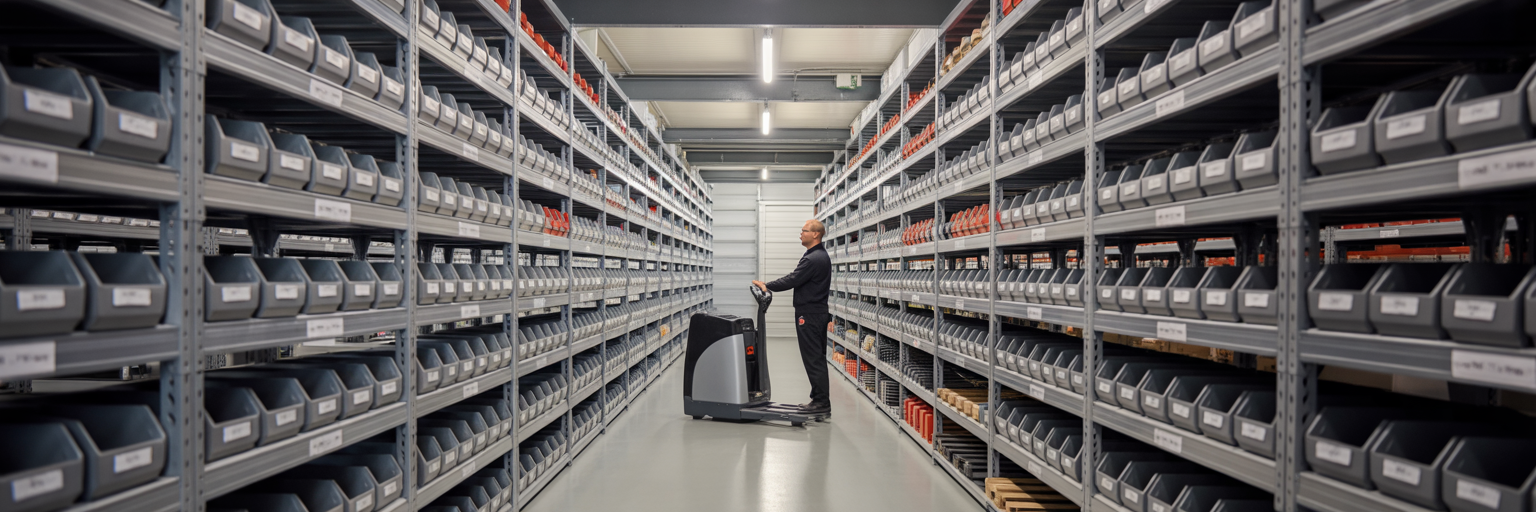
Retail stockroom with organised inventory shelving.

The most common point of failure is a reliance on siloed data systems. In this model, each store and the e-commerce site operate as separate information islands. While this might seem manageable with a handful of locations, the architecture breaks completely at scale. A true omnichannel experience demands a single source of truth.

Poor retail data consistency has immediate consequences. It creates phantom stock where the system shows inventory that does not exist, leading to cancelled orders and frustrated customers. It causes pricing errors between the website and physical stores and makes it impossible to offer services like click-and-collect reliably. As a report from Retail Dive highlights, inventory visibility remains one of the most persistent challenges for retailers managing stock across multiple locations.

The solution is an architectural shift to an omnichannel POS system built around a central database. This structure ensures real-time inventory tracking and automatically syncs data across all channels. When managing multiple sites, a proper multi-location POS provides this central data core, eliminating the guesswork. The key metric to watch is Inventory Accuracy Rate – the percentage of items where the system’s stock count matches the physical count. A successful rollout must target 98% or higher.

Factor Siloed System (Breaks at Scale) Unified System (Built for Scale)
Inventory View Fragmented and delayed Real-time single source of truth
Customer Data Isolated to one channel or store Centralised 360-degree profile
Pricing & Promotions Inconsistent across channels Synchronised and centrally managed
Operational Impact High risk of errors and lost sales Enables reliable omnichannel services

Weaving Loyalty into Your Nationwide Strategy

Treating loyalty as a separate marketing add-on is a critical mistake. For a true omnichannel experience, loyalty data must be integrated directly into the transaction at every touchpoint. When it is not, the experience becomes disjointed. Staff cannot recognise high-value customers, apply points or offer personalised discounts at the till. A loyal online shopper becomes an anonymous stranger in-store, which undermines the entire goal of a unified brand.

As a Deloitte analysis on the topic notes, data-driven strategies are essential for creating these connected experiences. The solution is a POS that instantly identifies customers and surfaces their data. This empowers staff to provide genuinely personal service by giving them the right information at the right time. At the point of sale, they should see:

  • The customer’s full purchase history across all channels
  • Their current loyalty points balance
  • Any available personalised offers or rewards

This level of service requires a POS that connects customer profiles across all sales channels. This is a core function of a modern marketing cloud integration that links customer identity to every transaction. The metric to track here is the Cross-Channel Customer Identification Rate. This is the percentage of transactions where a customer is successfully identified and linked to their central profile, regardless of the channel they use.

Your Operational Playbook for a Smooth Rollout

Automotive parts counter with staff and customer.

Technology alone is not a solution. A successful nationwide retail rollout depends on a robust operational plan that addresses the human element – staff training, change management and logistics. Without it, even the best system will fail. Poor operational planning leads to incorrect system usage, frustrated staff and poor customer service. Inconsistent store setups and branding also dilute the unified experience you are trying to build.

A repeatable, phased rollout strategy minimises risk and ensures consistency. Your playbook should include:

  1. Pilot Phase: Start with a small group of pilot stores. This allows you to identify and resolve technical and operational issues before a wider launch.
  2. Training Programme: Develop a comprehensive training programme for all staff – not just managers. It must cover both the technology and the ‘why’ behind the changes to secure buy-in.
  3. ‘Store-in-a-Box’ Kit: Create a standardised kit for new locations. This ensures consistent setup of hardware, software configurations and POS displays, making each new store opening predictable and efficient.

This operational discipline must be supported by strong product data management to ensure all product information is consistent everywhere. A key performance indicator for this phase is Time to Full Productivity. This measures the time it takes a new or converted store to reach its target sales and operational efficiency benchmarks after the new system goes live.

From Pilot to Nationwide a Unified Approach

A successful nationwide retail rollout is less about deploying technology and more about building a unified operational and data foundation. Consistency is what allows a brand to scale without breaking the customer experience. Achieving this unity requires a platform designed for scale from the ground up. Eposly provides a powerful omnichannel POS system that centralises inventory, customer data and loyalty, giving retailers the control needed to expand from a single pilot to a national network. For retailers planning their expansion and needing to ensure data consistency and operational control, exploring a comprehensive retail checkout solution is the logical next step.

Share this article

Eposly fills the checkout whitespace in Salesforce

As the only fully native point of purchase / POS solution, Eposly brings robust, secure checkout functionality to Industry, Sales & Service, and Experience Clouds, as well as CPQ and OMS.

The only 100% Salesforce-native checkout solution

Essential Controls for Audit Ready Healthcare Checkout Compliance

Discover how to implement audit-ready controls in your patient payment process to ensure regulatory adherence and build trust....

Learn more about Eposly’s unique benefits for any industry.