Industries
Public sector payment solutions that complete your Salesforce platform
Manage counter payments and cash registers inside Salesforce, with transactions linked to the people, applications and permits your agency already manages.
Try the interactive demoTalk to us →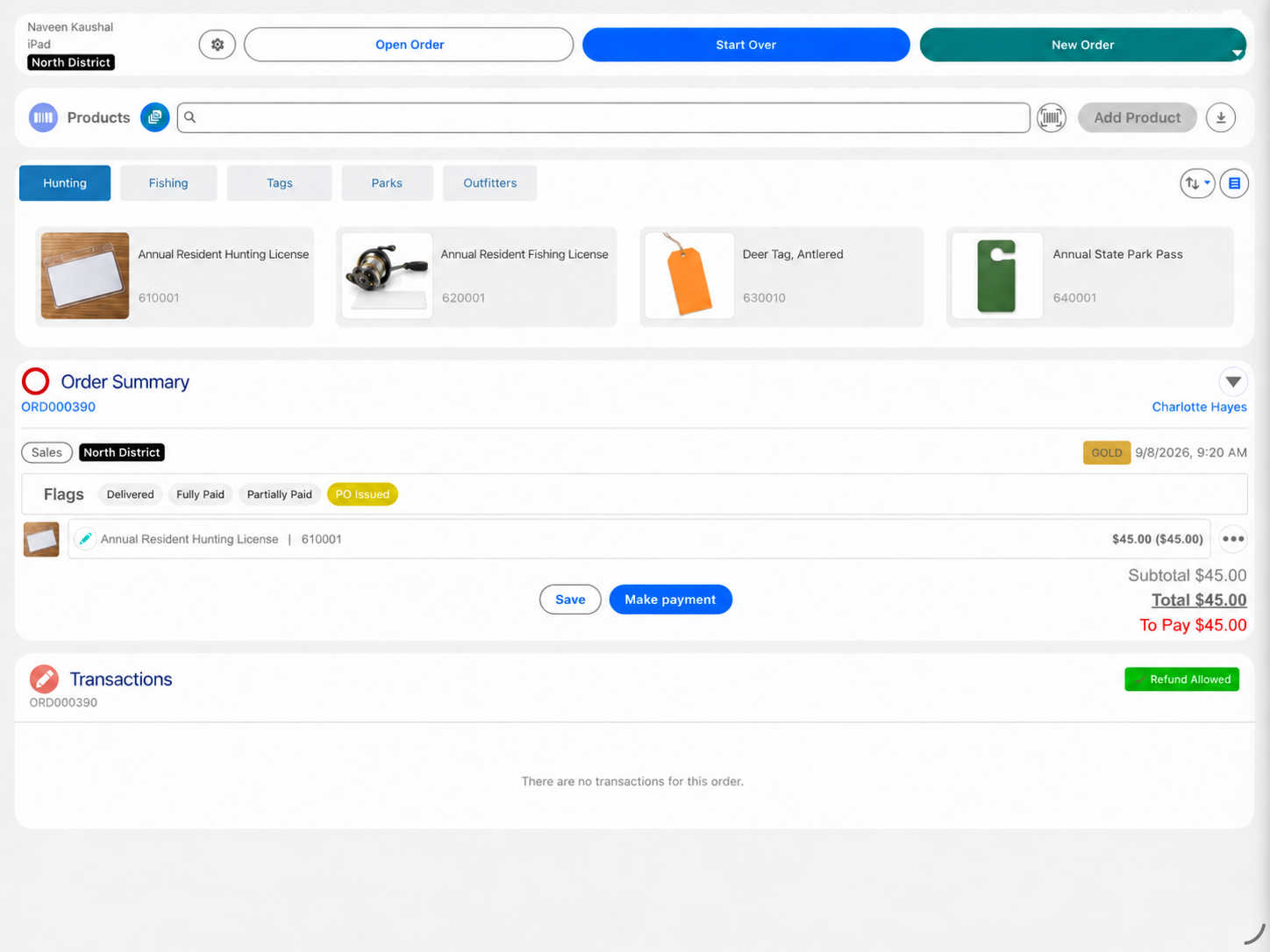
Many state and local agencies chose Salesforce to run applications, cases, inspections and licensing records. Payments and the cash register often stayed behind in a separate cashiering or payment tool. Eposly brings them into Salesforce: cash drawers, mixed tender, receipts and end-of-day reconciliation, with fees set by pricing rules configured for the agency's fee schedule and each payment linked to the applicant's records.
- Cash register management in Salesforce: drawers, tender, receipts and end-of-day reconciliation
- Fees set by pricing rules configured for the agency's fee schedule, with adjustments recorded on the transaction
- Payments linked to the applicant's records, under your Salesforce permissions and audit controls
- Selected by California DMV for permit and registration payments on Salesforce Government Cloud
Which public sector agencies does Eposly work with?
Eposly fits agencies that run, or are moving onto, Salesforce for applications, cases or permits, and still take fees in person. Choose your agency type.
Motor vehicle agencies: see how California DMV runs permit and registration payments in Salesforce →
What does a public sector counter need from a payment solution?
A public sector counter needs a payment solution that runs inside the platform the agency already chose, so fees, payments and cash drawers are managed in Salesforce, linked to the cases they belong to.
Many agencies run applications and cases in Salesforce and take payment in a separate cashiering or payment tool. Salesforce then learns that something was paid, but not how the fee was reached or how the drawer balanced. Reconciliation and audit preparation span more than one system.
How do state and local agencies take payments in Salesforce?
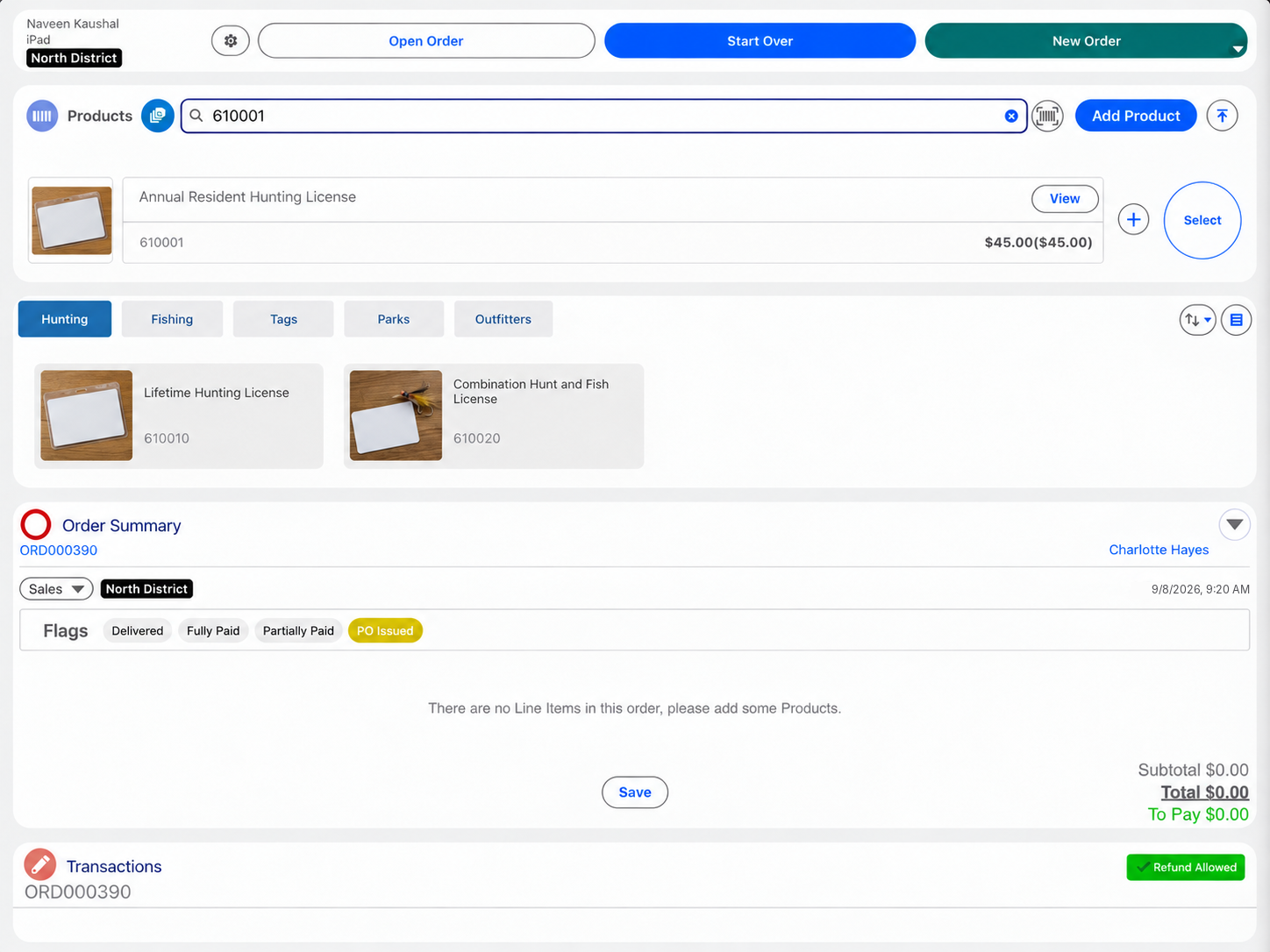
Staff open the applicant's record, build the order with the fee the configured pricing rules produce, and take payment at the counter in the same Salesforce flow. Card payments go through a supported PCI-compliant payment gateway; cash and checks go into a drawer that Salesforce tracks.
A permit at the counter
How does one counter payment work from start to finish?
One flow in Salesforce, from the fee to the closed drawer.
- 01
Open the record
The clerk opens the applicant's record and the application or permit.
- 02
Calculate the fee
- 03
Take payment
- 04
Print the receipt
- 05
Check the payment, close the drawer
Payments
How are fees calculated and adjusted with approval?
Policy-driven fees, documented discretion. Pricing rules configured for the agency's fee schedule handle fee tables and tiers. Where discretion is allowed, it is recorded on the transaction, and agencies use their Salesforce processes to manage the required approvals.
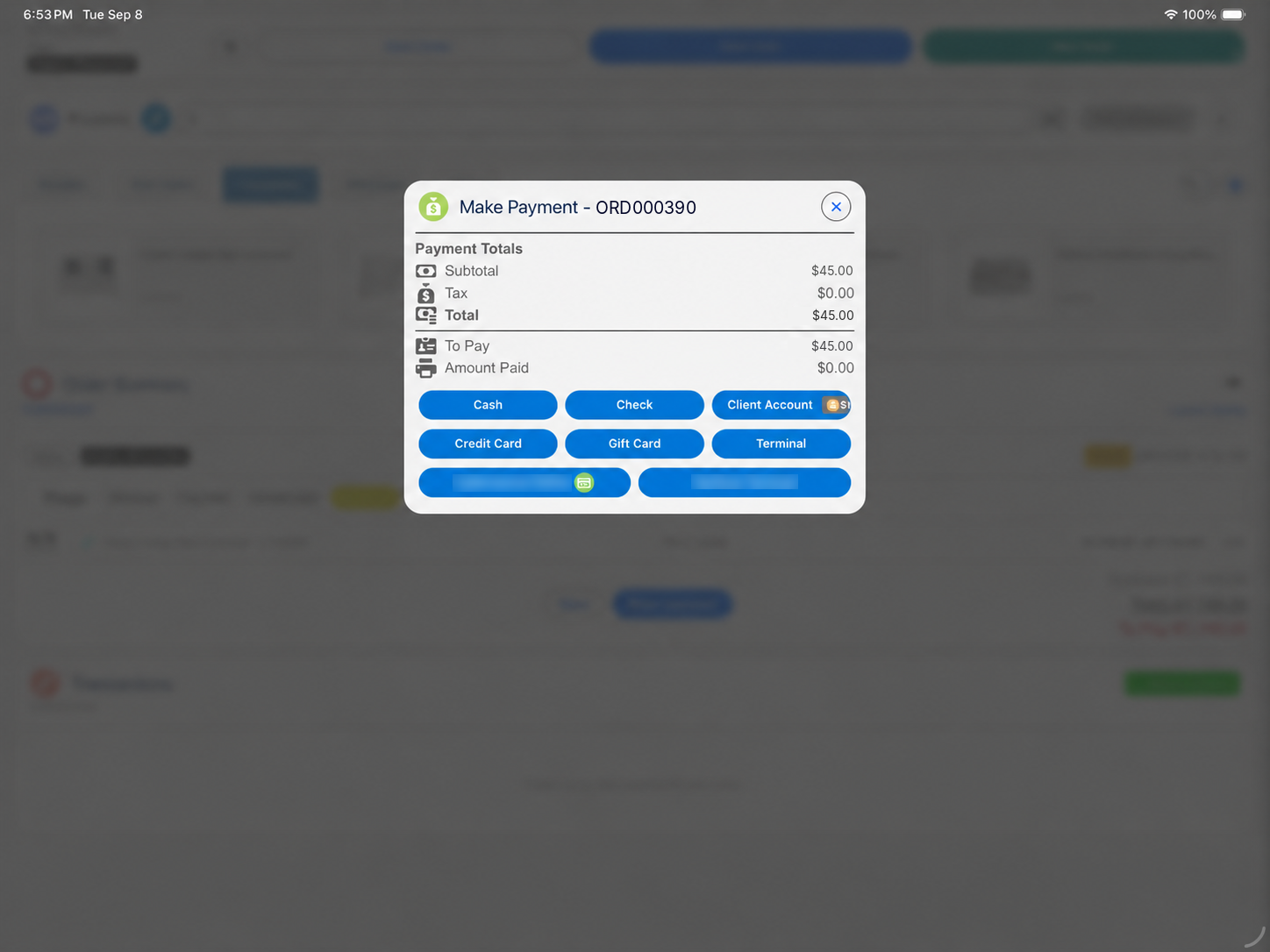
- Fee at the counterCash, card, check or a split, in one step.
- Partial paymentPart of the fee now, the balance later, on the same order.
How many systems does a public sector counter actually need?
Fewer than many agencies run. When the counter transaction runs inside Salesforce, the separate cashiering database and the reconciliation between it and Salesforce drop out.
Eposly does not replace the finance or ERP system. Salesforce stays the system of record for the transaction, and finance receives structured data from it.
What does the record and audit trail show?
After every counter transaction, Salesforce shows:
- Who paid, for which application, license or permit.
- Which clerk took the payment, at which office and from which drawer.
- How the fee was reached, and any waiver or adjustment recorded on the transaction.
- How it was paid: cash, card, check or a split, and any partial or scheduled payment.
- The receipt, and refunds against the original transaction.
- The drawer's opens and its end-of-day reconciliation.
These are standard Salesforce records, so they follow your Salesforce permissions and audit controls. Card details are tokenized by the connected PCI-compliant payment gateway and kept out of the applicant's record.
California DMV selected Eposly's Salesforce-native Point of Sale and Cash Register module for permit and registration payments on Salesforce Government Cloud.


Public sector one-pager
Take this page to your team
The key points of this page in one document to share with your team, including the agency types we cover.
By downloading, you agree to our privacy policy.
Is Eposly the right fit for your agency?
Eposly fits agencies that:
- Run, or are moving onto, Salesforce for applications, cases, licensing or permits
- Take fees in person, with cash in the drawer
- Take payment in a separate cashiering or payment tool today
- Need fees, discretion and the cash drawer managed in Salesforce, alongside the case
Another option is a better fit when:
- Salesforce is not in play for cases or permits
- Payments are online only, with no counter
- The agency needs a full licensing, permitting or finance system rather than the payment and the cash register
One note for planning: every clerk who takes payment in Eposly needs a Salesforce user license.
Questions buyers ask
How does Eposly handle cash register management across many offices?
Each drawer is managed in Salesforce, with logged opens, per-user attribution, mixed tender and receipts printed from Salesforce. At the end of the day, drawers are reconciled in Salesforce, and reports show the position across cashiers and offices.
Can Salesforce handle cash drawer reconciliation and cash management?
Salesforce on its own does not manage a physical cash drawer. With Eposly, drawer opens, tender, receipts and end-of-day reconciliation are recorded in Salesforce, on the same platform as the agency's cases.
Does Eposly work with Salesforce Government Cloud?
Yes. California DMV selected Eposly for permit and registration payments on Salesforce Government Cloud.
What makes Eposly different from payment apps or retail POS systems?
Payment apps take card payments, often online. Retail POS systems can handle cash drawers, but they keep them in their own system. Eposly runs the counter transaction, including the cash register, inside Salesforce, so cash events take part in the agency's Salesforce processes and permissions.
Complete your Salesforce platform at the counter
Counter payments, cash registers and end-of-day reconciliation, linked to the records your agency already manages.