Specialty retail
The boutique point of sale system that runs inside Salesforce
Sell on the boutique floor, in the VIP suite or at a trunk show, directly in Salesforce. Stylists see each client's purchases and preferences while they sell.
Try the interactive demo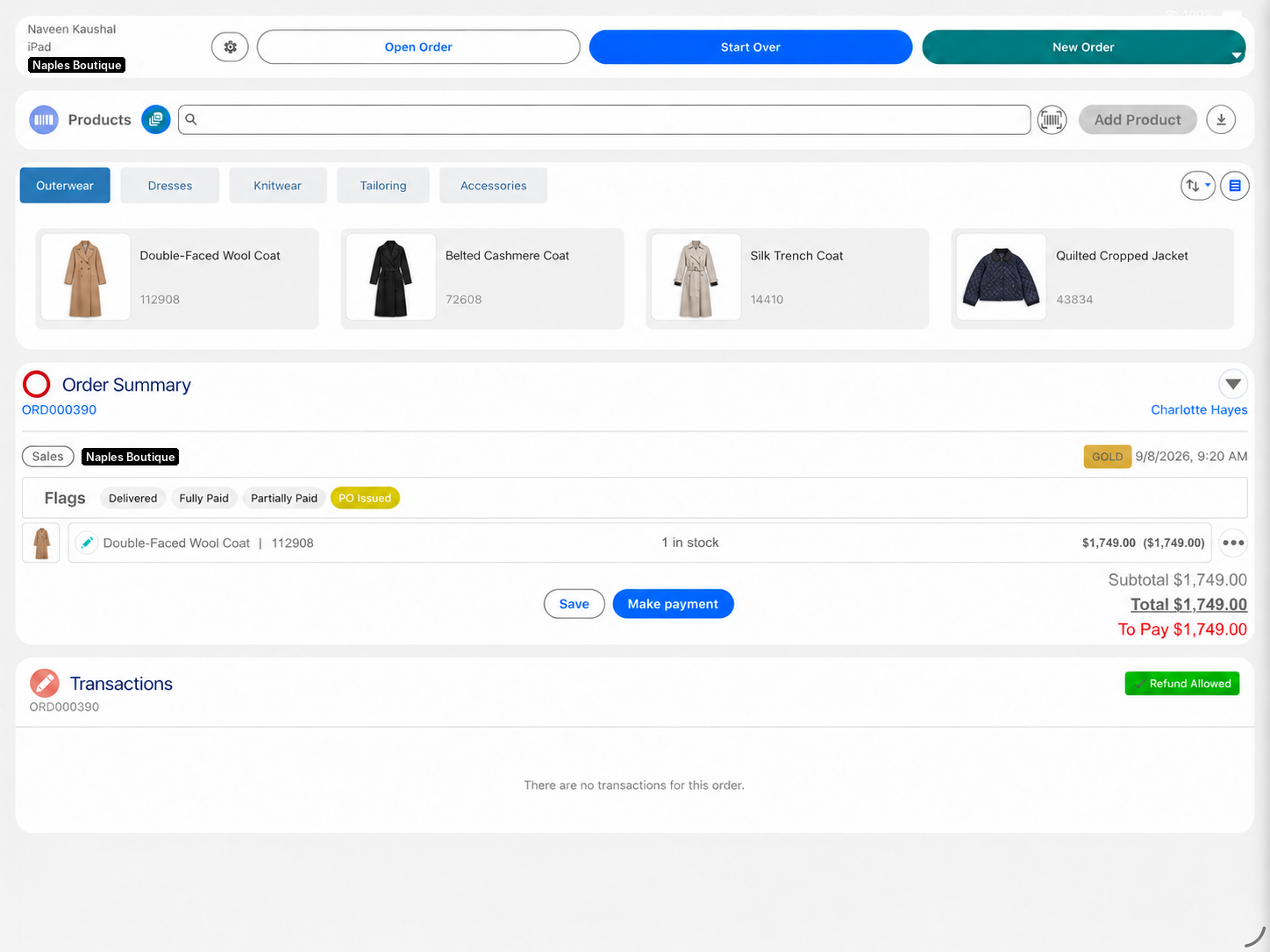
Eposly brings boutique sales and payments directly into Salesforce. Stylists sell on iPad wherever the client is, with her purchases and preferences in view. They take a deposit on a piece that needs alterations, collect the balance in the boutique or by payment link, and every sale feeds the clienteling and seasonal outreach your team runs in Salesforce.
- Client purchases and preferences in view during the sale
- Sell on iPad on the floor, in the VIP suite and at events
- Deposits on alterations and special orders, balance in store or by payment link
In the boutique
What makes selling in a designer boutique different?
A fashion boutique POS has to follow the client, not the till.
The client is known
Top clients buy across seasons, and stylists are expected to know their sizes, tastes and what they already own.
The sale moves
It happens on the floor, in the VIP suite, at a private appointment, a trunk show or a pop-up.
Payment can come later
After a private appointment, the balance often follows the visit.
Pieces need work
Alterations and special orders mean the piece leaves after the sale.
Stock is spread across boutiques
The size the client wants may be in another store.
A private appointment
How does Eposly handle a private appointment with alterations?
One open order on the client record, from the appointment to collection.
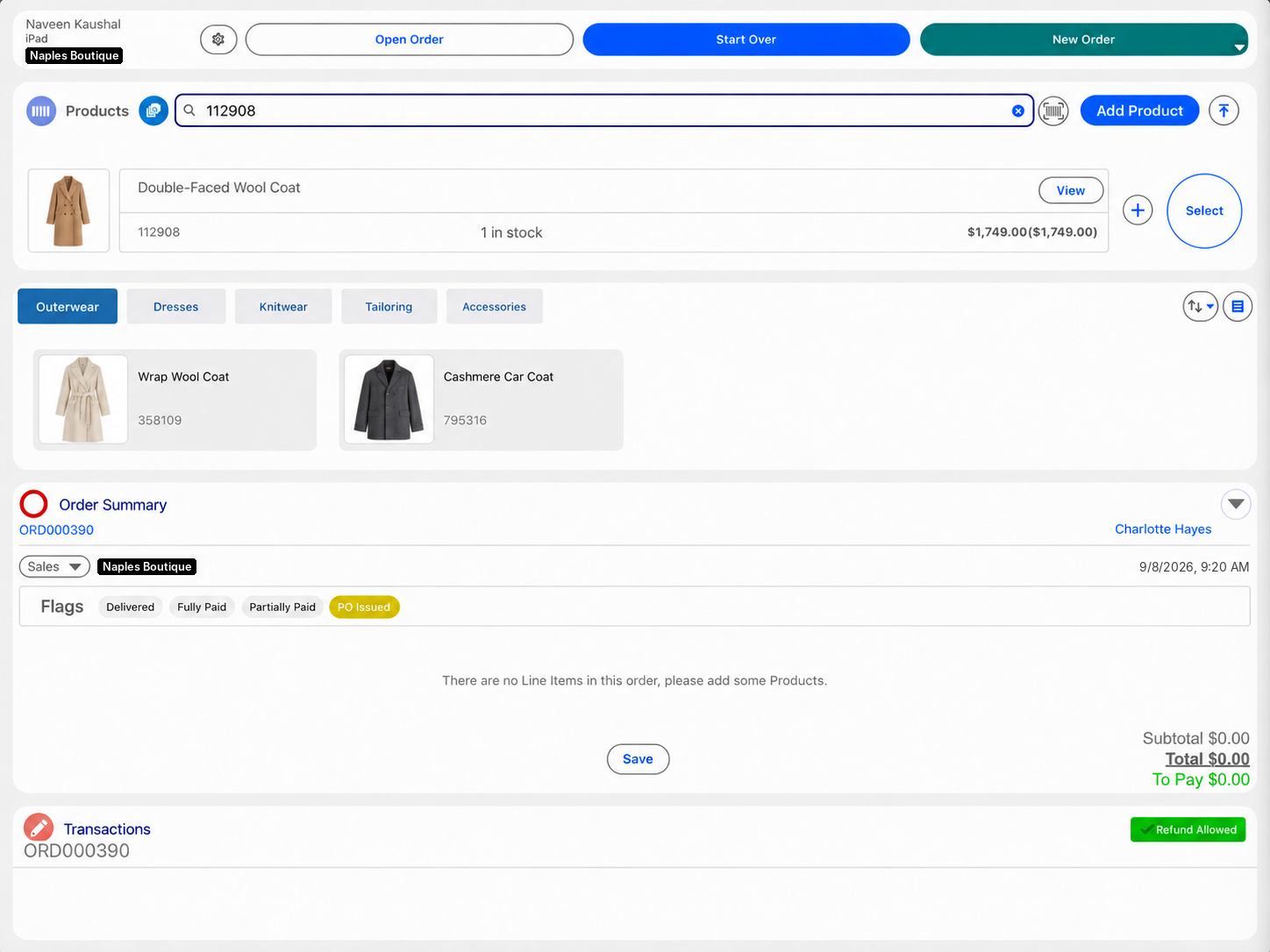
Can sales be taken in a VIP suite, at trunk shows, runway events and pop-ups?
Yes. Stylists sell on iPad wherever the client is, and the sale is created in Salesforce against the client, just like a sale at the boutique counter.
What should boutique point of sale systems handle for a designer brand?
Can stylists sell with the client's full history in view?
Yes. The stylist sells from the client's Salesforce record, so purchases from every boutique, event and appointment are in view.
Payments
How do clients pay in a designer boutique?
- Piece taken todayCard, cash, gift card or a split, in one step.
- Alterations or special orderDeposit at order, balance on collection.
- After a private appointmentPayment link for part or all of the amount.
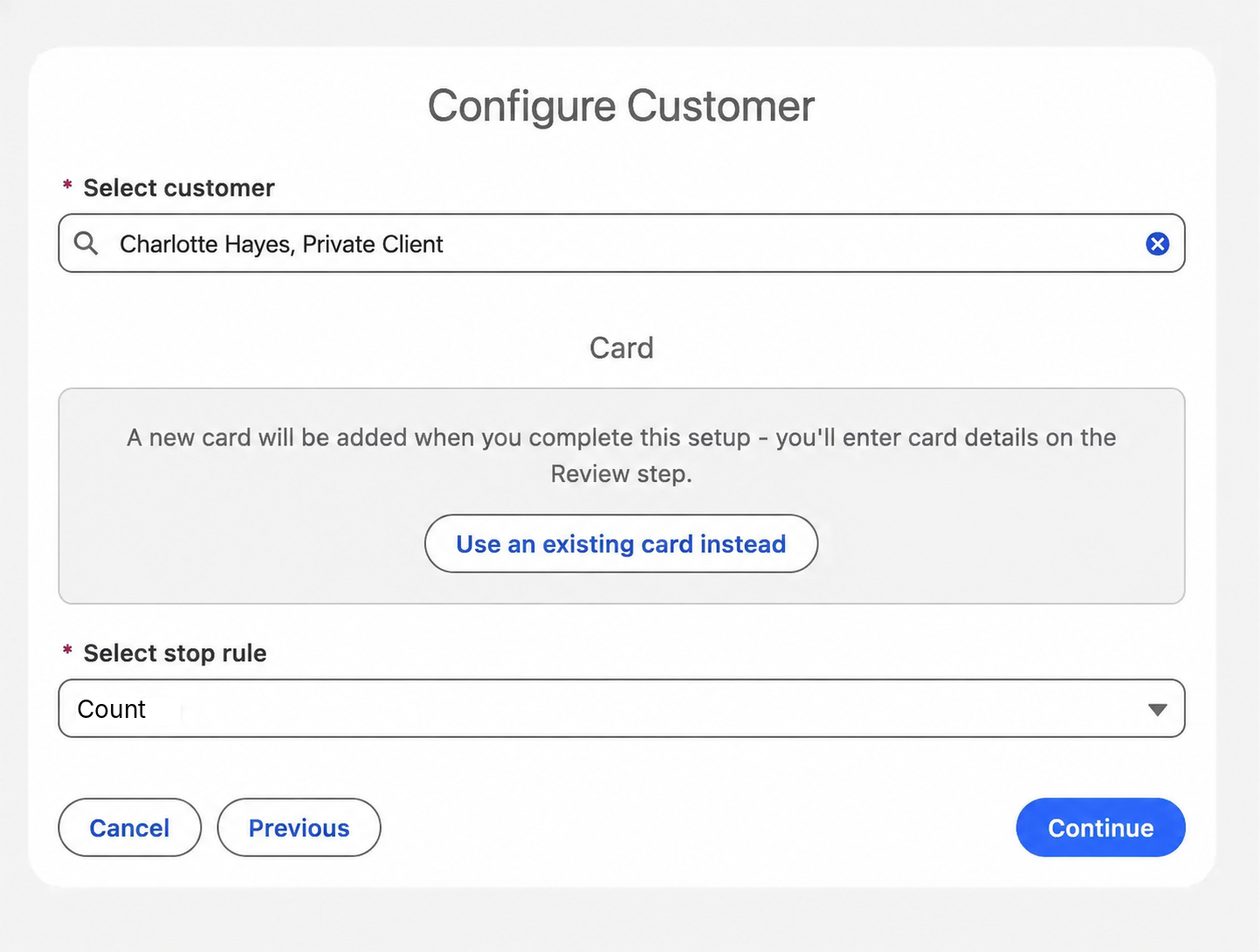
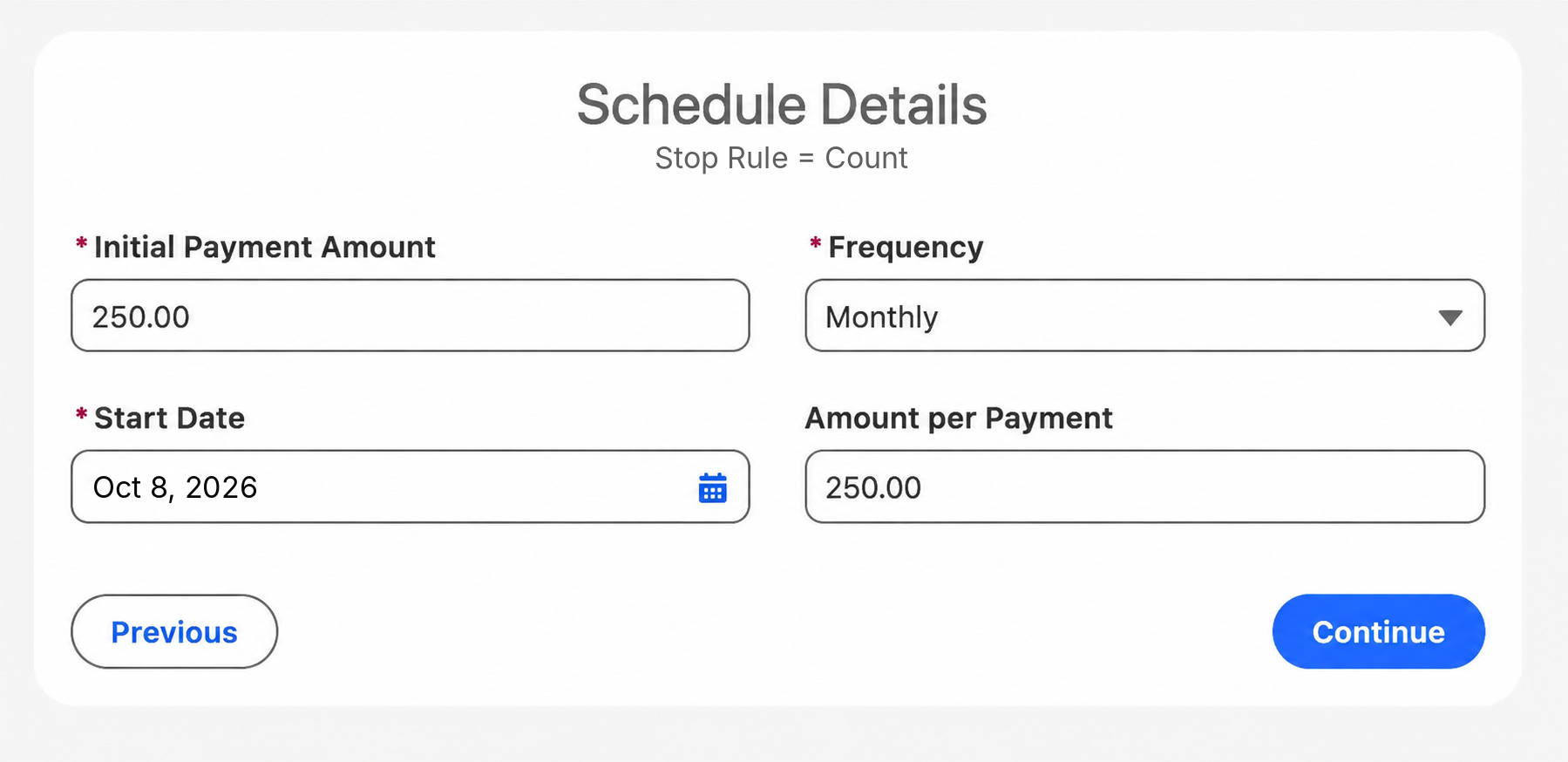
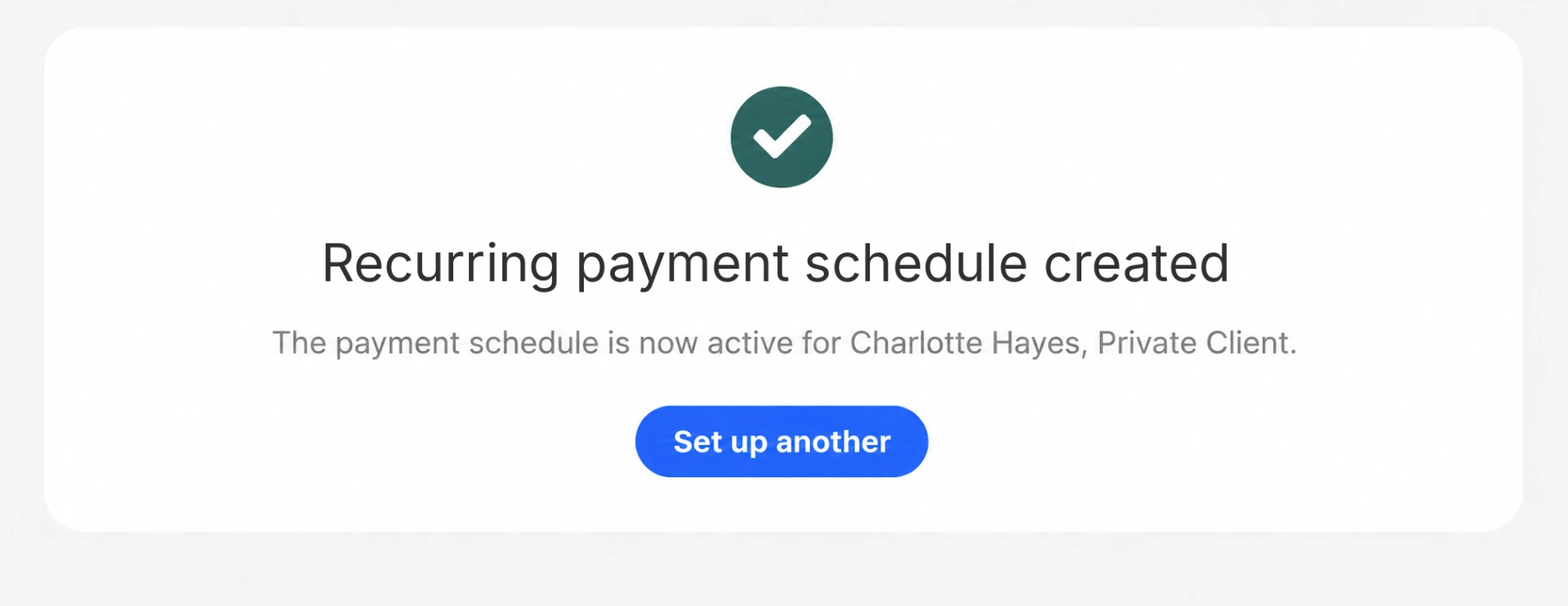
- Scheduled card payments on a larger purchaseNewA recurring schedule on the client's saved card that stops once the piece is paid off. Each payment is recorded against the order.
Eposly is transforming our business. Enabling retail stores to connect better with customers and allow us to meet critical distributor KPIs.Jo Cameron, Digital Transformation Lead, DMR

A European fine jewelry and watch retailer running client-led luxury retail on Salesforce Sales and Service Cloud.
 5.0 on Salesforce AppExchange
Where do designer boutiques fit within specialty retail?
Designer boutiques follow the specialty retail pattern, with the sale spread across the floor, the suite and the event.
Boutique POS one-pager
Take this page to your team
The key points from this page in one document to share with your team.
By downloading, you agree to our privacy policy.
Questions buyers ask
What should a luxury boutique look for in a POS?
A boutique POS system should let stylists sell anywhere in the boutique or at events with the client's history in view, take deposits and later payments, and add every sale to the client's history. For boutiques on Salesforce, that history should live in Salesforce, not in a separate POS database.
How does billing work after a private appointment?
The stylist builds the order during the appointment and sends the client a payment link for the full amount or part of it. When the client pays, the payment is recorded against the same order in Salesforce.
Do sales taken outside the store land on the same client record?
Yes. A sale at an event, a pop-up or a private appointment is created in Salesforce against the client, just like a sale in the boutique, so the client's purchase history stays complete.
Bring your boutique sales into Salesforce
See how a point of sale runs inside Salesforce.